

Original price was: $128.95.$92.99Current price is: $92.99.
- Safe Shopping Guaranteed
- Risk-Free Shopping with Returns
- fast shipping
- Streamlined service, designed for your convenience.

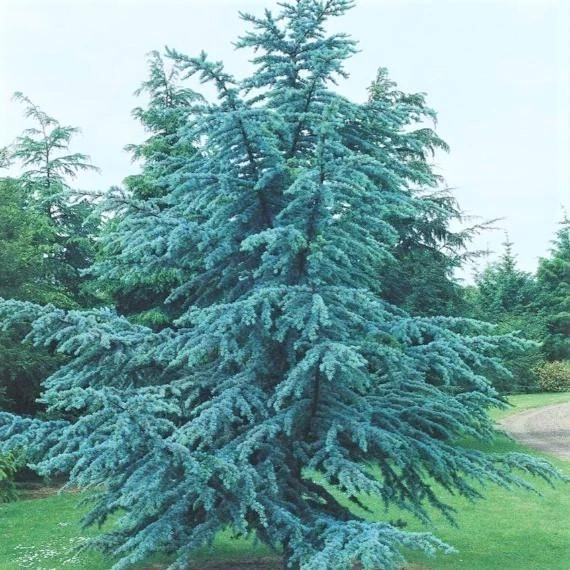
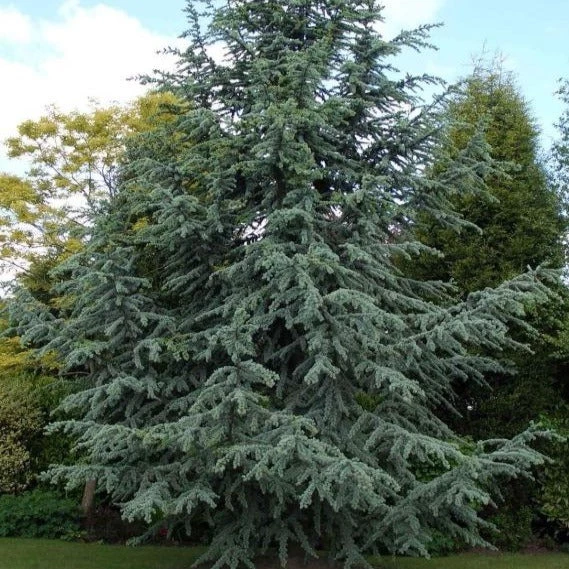
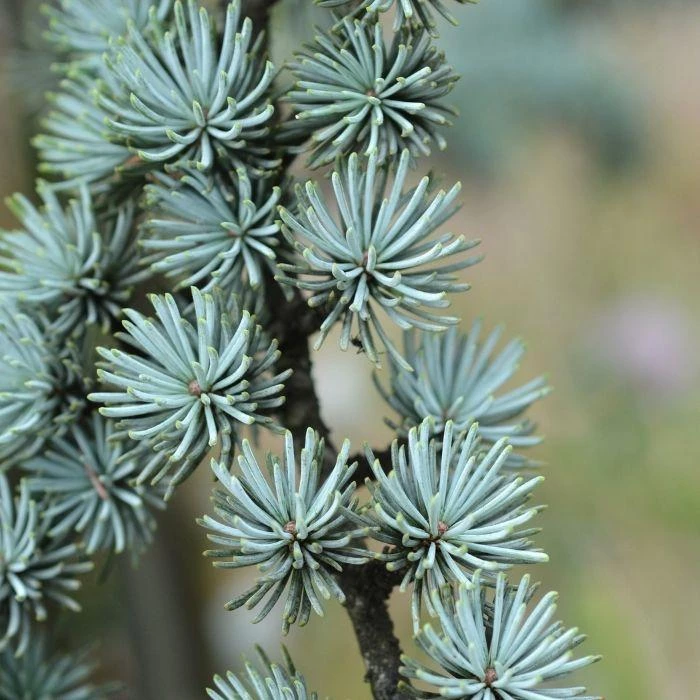
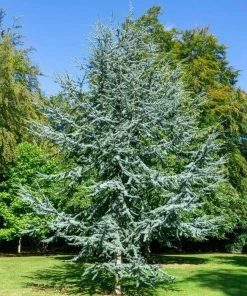
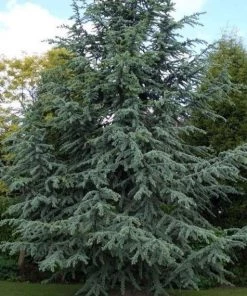
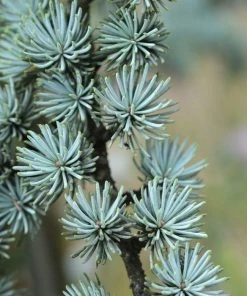
Blue Atlas Cedar Trees are the most popular of all Atlas Cedar Trees. They are a majestic evergreen tree, with limbs covered in patches of blue-green needles.
The Atlas Cedar (Cedrus atlantica) takes its name from the Atlas Mountains of Northern Africa from which it is native. In 1827 on a visit to Tangier, Morocco, English botanist P.B. Web discovered the Blue Atlas cedar. By 1840, Britain and Europe began to cultivate the tree which was later introduced to the United States.
Oil extracted from the Blue Atlas Cedar was used by ancient Egyptians for embalming, cosmetics, perfumery, incense and medicinal purposes. The natural aroma serves as an insect repellent, making the wood a popular choice for modern furniture builders.
Blue Atlas cedars need plenty of room to spread out. In the garden, the Blue Atlas cedar grows quickly in height to about 20 feet and then begins to spread out to upwards of 35 feet across, so siting the perfect location for this tree is critical.
While these trees are very drought tolerant, they are particularly slow-growing without adequate moisture levels during the initial establishment period.
Staking young trees is recommended to minimize the stress on the stem from winds blowing the tree. Common uses for the Blue Atlas tree include use as a privacy screen or windbreak, and as a lawn specimen or garden accent.
| Size | 3 to 4 Feet Tall, 4 to 5 Feet Tall |
|---|
Be the first to review “Garden Goods Direct Blue Atlas Cedar Trees”
Related products
Evergreen
Fast-Growing

Evergreen
Flowering & Ornamental

Reviews
There are no reviews yet.