


Original price was: $30.95.$19.19Current price is: $19.19.
- Safe Shopping Guaranteed
- Risk-Free Shopping with Returns
- fast shipping
- Streamlined service, designed for your convenience.

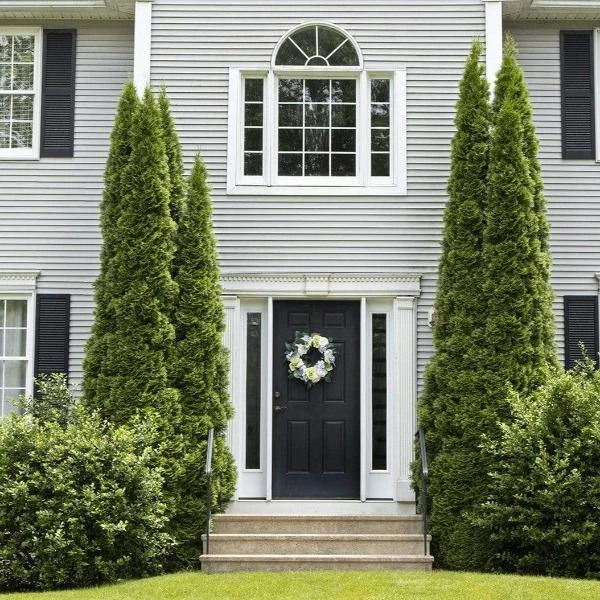
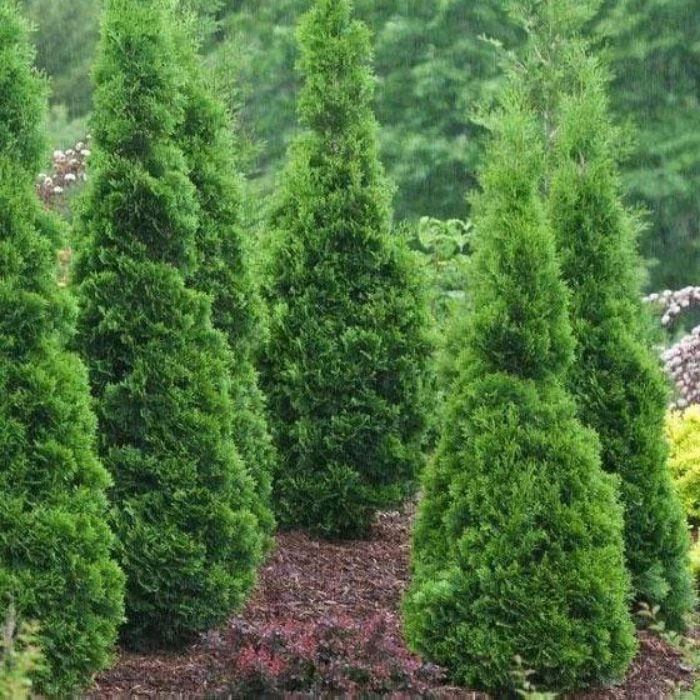
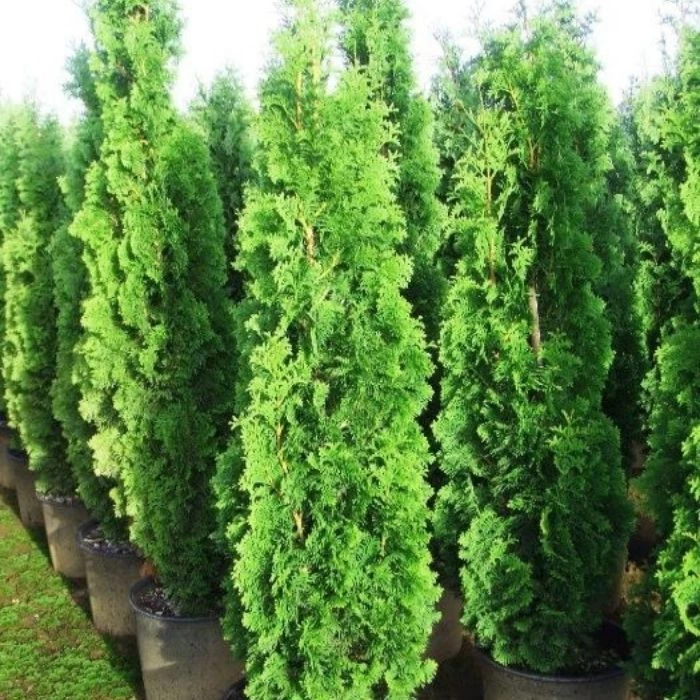
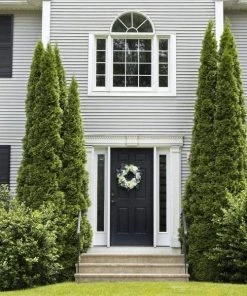
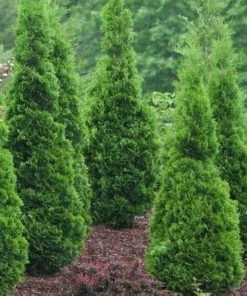
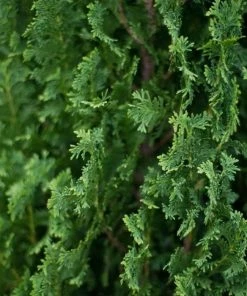
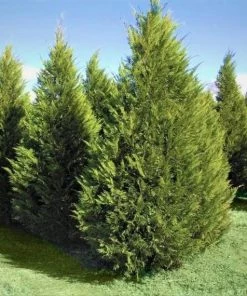
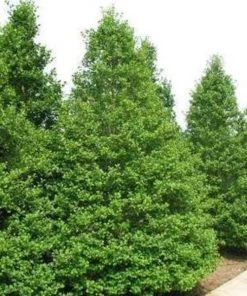
Degroots Spire Arborvitae trees are a narrow upright very fastigiate form of Eastern arborvitae with medium-green, twisted foliage. The outline is less smooth and symmetrical than most other upright arborvitae making it even more interesting. This cultivar is quite suitable as a solitary exclamation point in the garden or for use as a formal hedge
An exceptional selection of the eastern arborvitae, Arborvitae Degroot’s Spire is very popular because of its narrow, columnar form with dense green foliage that sometimes twists and layers over itself. This conifer, of intermediate size, is often used for hedging, screening, or as a single specimen.
Arborvitae Degroot’s Spire are a dense evergreen shrub with a long life. They have no serious insect pest problems in our area, as well as no common leaf diseases or blights. They’re tolerant of our local alkaline soils and don’t have any difficulty enduring our scorching summer or cold winter conditions.
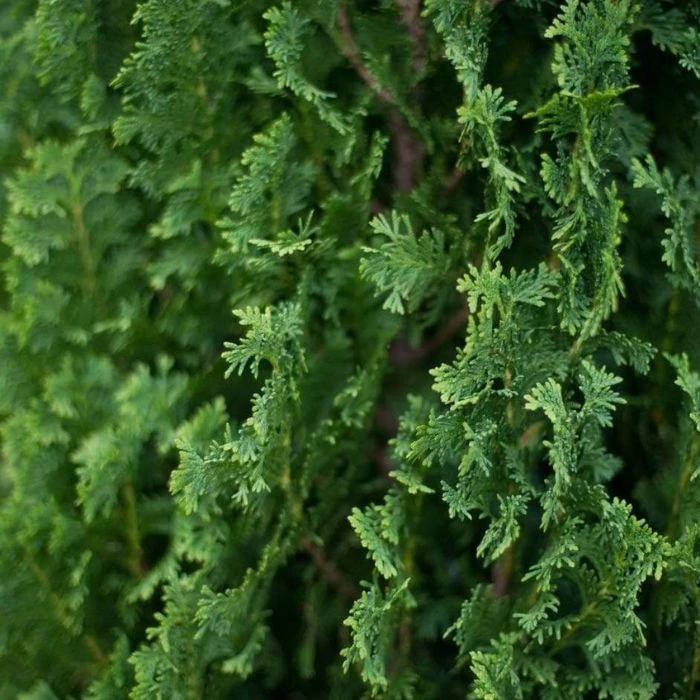
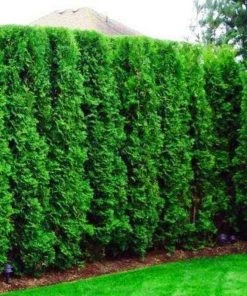
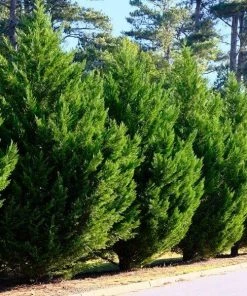
Most people use the Arborvitae Degroot’s Spire as a privacy barrier to block out noisy neighbors. The Arborvitae Degroot’s Spire only grows 18 to 20 feet tall, so it’s perfect for medium to large landscaping areas. If you want to create a privacy barrier with the Arborvitae Degroot’s Spire we would recommend that you plant 2-3 feet apart and follow our planting instructions. Arborvitae trees are a deep and rich green color year-round, which displays how robust they are. Like the Leyland Cypress, their foliage grows in flat sprays and, close up, the needles appear covered in fine green scales.
The Arborvitae Degroot’s Spire is a perfect evergreen for smaller spaces as well due to its compact width. Grow these trees as living screens that won’t overpower your entire lawn and garden with their size. The Arborvitae Degroot’s Spire grows to a mature height of eighteen to twenty high by 4 to 5 feet wide, and it grows between one and one and half feet per year under optimum growing conditions.
For best results, plant these trees six feet apart to enjoy their columnar shape or three feet apart for a dense hedge.
Arborvitae ranges from Nova Scotia to Manitoba south through the Great Lakes region and along the Appalachians to North Carolina and Tennessee. In the north it tends to be closely aligned with low, acidic, wet areas such as river banks and bog edges. At its mountainous southern extent it becomes altogether less common and more likely found on limestone cliffs.
This species, seldom sought by lumbermen (besides those used for cabin roofing shingles) because of its “weakness,” had been the premier wood for canoe frames for millennia. Its tendency to separate at the growth rings provided thin, super lightweight, flexible and rot resistant material that could easily be shaped into ribs or used for planking.
Arborvitae Degroot’s Spire is widely adaptable and there are a great variety of sizes available from which to choose. It performs well in humid regions. Provide a site with full to partial sunlight, on consistently moist soil. Heavy clay and light sandy soils should be well amended with organic matter to improve drainage and water retention respectively. Arborvitae Degroot’s Spire trees grow best in full sun, but they can withstand partial shade (afternoon sun is best in this case).
| Size | 1 to 2 Feet Tall, 2 to 3 Feet Tall, 3 to 4 Feet Tall |
|---|
Be the first to review “Garden Goods Direct DeGroot’s Spire Arborvitae”
Related products
Flowering & Ornamental
Crape Myrtle
Evergreen

Chestnut
Reviews
There are no reviews yet.